Get Hands-On Experience with Our Internship Program

The Bel-Rea curriculum offers expert training and hands-on learning that sets our graduates apart. Part of that curriculum is our comprehensive internship program where students get to apply what they’ve learned in the classroom and labs in real world vet tech settings.  As a Bel-Rea student, or perspective student, you may have some questions about the internship program. Check out the internship FAQ answers below.

When are the internships?

Internships take place during the final academic quarter, and are 10 weeks long.

Where can I intern?

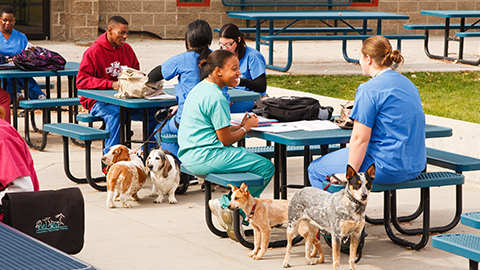
Students will intern at one of the 100+ approved veterinary facilities that partner with our internship program. Working alongside accredited experts, students put to work everything they’ve learned at Bel-Rea in a meaningful way.

Among our internship partner sites are small/large/or mixed animal veterinary hospitals, emergency/trauma facilities, zoos/wildlife sanctuaries, specialty veterinary hospitals, university veterinary teaching hospitals, and research facilities. No matter the site, credentialed vets and vet techs mentor and train the interns to ensure quality hands-on experiences.

What can I expect to do as a vet tech intern?

In the same spirit of the Bel-Rea education model, interns in the field can expect hands-on, technical experience as vet techs. While tasks and work vary depending on the internship site, the internships focus on gaining experience in essential tasks to help you transition into your career in veterinary medicine.

Internship training experiences can include prepping for and assisting in surgery and dentals, assessing patient history and client concerns, administering medications and vaccines, processing laboratory samples, drawing blood, bandaging injuries, monitoring behavior concerns, taking and developing x-rays, helping with emergencies or traumas, and providing excellent care to patients that woof, meow, neigh, chirp, moo, roar, squeak, or ribbit!

The internship program is an important step in the journey toward a career in vet tech. If you have further questions, click HERE to request more info!

Top 5 Tips For Choosing A Shelter Pet

While puppies and kittens from breeders are cute, there are many great animals of all ages and breeds in the shelter system that need loving homes. If you decide pet adoption is right for you, these 5 tips will help you make the right choice—and will help you pick a friend for life!


1. Make your plan

When you get the shelter there will be lots of sweet faces, and wagging tails to greet you. This will be hard to resist—and may make you want to take them all home! Keep in mind you are there to pick the pet that is your match. Before meeting any of the pets, be sure to know what you are looking for. Ask yourself what size, gender, and aged pet you are willing and able to take on. Also consider grooming and specific care requirements that come with some pets—like long haired cats, for example—and if you are prepared to take on the added responsibility.

2. Observe the animal before you meet

Once you are settled on what you’re looking for, walk around and take a look at the available animals. Social behaviors are different for dogs and cats, but whether you are adopting Fido or a Kitty, it is a good idea to watch the animal’s behavior before you meet.  A rambunctious puppy that is highly active may be right for you, or the calm cat that likes to sleep and snuggle may be a better fit depending on your lifestyle. Watching how the dog or cat behaves on his own is a good way to get to know the animal even before you are introduced.

3. Meet your match

When you think you’ve found a potential pet, ask the shelter worker to make the introduction. When you meet the animal be calm, and read its body language. If the animal does not approach you, patiently wait, and calmly extend a closed hand to let the pet come to you. It is important to take the animals cues, and not to force socialization. Some sweet, loving animals may be shy at first, so be patient. If an animal does not open up to you, discuss with the staff of the shelter; the animal may simply be shy, or there may be a pet that is a better match.

4. Talk to the shelter

If you have questions about an animal’s temperament, needs, and habits, the caretakers and volunteers at the animal shelter are a great resource. They have had time to get to know the animals, and are in many cases trained to help match you with a pet that meets your needs.

5. Play together

Play is an important part of bonding with an animal, and can reveal a lot about its temperament. If you plan to adopt a dog, taking him for a walk or playing fetch is a great idea. Likewise, playing with a cat’s favorite toy can help you get to know her. Pay attention to how the pet plays, and consider if that type of play is a good match to your lifestyle.

As with any important decision, information is the key to making the right choice for you. Adopting a pet is a wonderful, and rewarding option. With these steps, and the guidance of animal care professionals, you can adopt a friend for life! To locate a shelter in your area, click HERE!


Don’t Miss Our Animal Art Gallery!

Ever seen a cubist cat or a modern mutt? We’ve added a fun new board to our Pinterest page, Animal Art. From the ancient to the modern, art imitates life for these animal-loving artists. Check out the gallery of art that celebrates animals, and be sure to follow us on Pinterest if you haven’t already. Click on the images for more!

Dating to 3200 BCE, this decorative Egyptian ivory slab features elephants, birds, giraffes, and cattle.

In Jacob Jordaens (Flemish, 1593-1678) Cleopatra's Feast, Cleopatra is seen with the loyal companionship of parrot, a hound, and a small lapdog.

Cats done by Andy Warhol are a pop art celebration of the beloved animal.

Italian artist Guido Daniele paints breathtaking animal portraits on the human hand. Here is his almost-photo like zebra.

For more, don’t miss our Animal Art pinboard. Enjoy!

Springtime Tips for An Allergy-Free, Safe Season

Say goodbye to winter! Spring is in the air—and so are seasonal pollens and irritants. Spring means more time outside, and just like us pets can experience seasonal allergies. Check out these tips for avoiding pet allergies, for properly treating them, and for keeping your pet safe this spring.


Ach-oo! Seasonal Allergies In Pet

Believe it or not, pet allergy symptoms can be very similar to human hay fever. Sneezing, itchy skin, and runny eyes are signs your pet is in need of allergy care. A trip to the vet can determine the cause of the reactions, and proper treatment. Antihistamines, topical creams, and special shampoos can be effective in relieving spring allergies. To be safe, be sure that any treatment given to your pet is under the direction and supervision of your veterinarian!

Check Up Time

Keeping current on you pet’s vaccinations, medications, weight, and overall health will keep you and your pet happy. A springtime vet examination could catch signs of allergies that you may otherwise miss.

Spring Cleaning

With weather warming up, you and pet may enjoy extra time playing outside. With added pollen and irritants floating about, be sure to keep your pet’s coat and paws especially clean during the spring.  Enjoy the green grass, and new blossoms—but be sure to give Fido a good brushing off or bath as necessary.

To keep your pet healthy and happy during your home spring-cleaning, keep all chemicals away from your pet. If you’re looking to make spring-cleaning healthier for your whole family, consider switching eco-friendly, non-toxic cleaners. If a curious pet does ingest a potentially toxic substance, contact your veterinarian immediately.

Keep Pets Out of Easter Baskets

For many families the Easter Bunny soon will be hopping by.  Easter egg hunts are great fun for us humans. To keep your pets safe, store candy on elevated surfaces, and keep a close eye on sniffing snouts during the hunt so dogs and cats don’t find the sweet treats before the kids do.

Spring Has Sprung—Have fun

Many pets become less active in the winter, and spring is a great chance to get back in shape together, and to have fun. Walks, nature hikes, and just playing in the yard are great ways for pets to enjoy the season safely. With a little extra care, spring is sure to be a favorite time of year for both you and your pet.


Celebrity Pet Look-A-Likes

Celebrity look-a-likes have us doing a double take—especially when the star-studded look-a-likes are furry! Check out this gallery of famous people, and their animal doppelgangers.  To see more celebrity pets on our Pinterest page, click on the photos!

In this photo, Elizabeth Taylor and her adorable pooch are quite the look-a-likes. They both are rocking the hair, and know how to work the camera!

Funny guy Jack Black and his oh-so-serious bulldog look-a-like make us smile!

Cher and her diva dog doppelganger have enviable tresses!

There’s no monkeying around for Clint Eastwood and his equally stern-faced animal look-a-like.

For more great photos like these, be sure to follow us on Pinterest if you haven’t already!

Student Spotlight: Meet Ashton!

Ashton is a Seventh Quarter student at Bel-Rea and a Teaching Assistant for multiple classes.

Where are you from?

Denver, Colorado.

Why do you want to be a vet tech?

Working at a local daycare helped me realize my true passion, ANIMALS!! I have always been fascinated with animals growing up, and I want to be an advocate for those who can’t speak for themselves. My dream is to one day be able to work with reintroducing wildlife back into their natural habitats.

What pets do you have?

1 dog – a Dachshund mix named Gus who is my pride and joy, and rocks his own natural Mohawk.

What is your favorite animal?

My favorite animals are Crocodiles. I find them to be very fascinating creatures. I look at them as modern day Dinosaurs.

What is your favorite class?

All the Veterinary Science classes have been my favorite because they apply what we have learned in the previous labs, to get the full understanding of what is really going on with the animal.

Why did you choose Bel-­‐Rea?

I heard about the great reputation that Bel-Rea has, and the excellent exposure you can receive in the community. I have been volunteering with a local veterinarian for over a year and have had the opportunity to experience different clinics around Denver. I have seen multiple orthopedic surgeries, and have assisted in the care of many animals. The vet I work with even let me keep the plate from my dog’s leg following a successful TPLO surgery! If I hadn’t attended Bel-ReaI don’t know if I would have been able to make these same connections in the community.

What is the best part about attending Bel-­‐Rea?

All the hands-­‐on exposure you receive and how everything comes around full circle. 7th Quarter has been the most challenging, but it has also been my favorite quarter. I really enjoyed the structure of the program; you start with the foundation, then work your way into the labs, and transition into how all the information actually applies and affects the your animal patients.


Simple Ideas To Show Your Pets How Much You Care

Roses and a card might make your heart flutter, but how can you show Fido and Felix how much you care? Check out these simple—and affordable—things you can do any time of the year to show your pets how much they mean to you!

1. Pamper those paws

While some pets love trips to the groomer, grooming sessions can cause some animals anxiety. Bathing your pet in the comfort of home is a great less-stress option. Try tossing a towel into the dryer so it will be warm and welcoming when you dry off your post-bath pet!

2. Treat Time

Not that your pooch is complaining about milk bones, but in moderation specialty treats sweeten any day. You can pick up pet-approved treats at your local pet store or dog bakery. While food is a tasty way to treat your pet, an extra walk is the healthy, go-to way to show your pet your love.

3. Play Time

Regular activity is essential to keeping your pet healthy. For even more fun, try adding a new toy to the mix during play. Also, taking your pet to a different park is a great way to change up the sights, smells, and fun.

4. Good Rewards

It is never a good idea to treat your pet to things that are normally not permitted; instead, try teaching your pet a new trick, or a positive behavior to reward him for. This keeps your pet sharp, and is a fun way to keep training a part of your pet’s life.

Try these simple ways to show your pets you care, and share with us in the comments section any ideas you have to show your pets you love them!

Adorable Unlikely Animal Friendships

They say, “birds of a feather flock together”, but for these animals, friendship is the only thing they have in common. Check out this gallery of surprising animal pals, and click on the images to be taken to our Pinterest page for more cute animals pics.

A mother hen, her chick—and puppy make three. We love how sweetly nestled in the nest the little golden retriever pup is.

This tender hug between a red panda and a fox melts our hearts.

 This baby elephant and sheep share a sweet nuzzle.

 This French bulldog warmed up to orphaned wild boar piglets—and the sight of them warms our hearts!

We hope you got as many smiles out of these unlikely animal friendships as we did. For more animal cuteness, be sure to follow Bel-Rea on Pinterest!

Helping Pets In Need During the Recession

The recession has put financial strain on many households, but even in these hard economic times there are ways you can give to animals in need. Here is our list of budget-friendly ways you can help furry friends, and the organizations that help them.

1. Donate your time

While funds may be tight, you can give of your time to help animals in need. Shelters are most in need of volunteers, and any amount of time you can give helping out will mean a lot to the shelter’s staff and the animals.

To find an animal shelter in your area, visit http://www.animalshelter.org

 2. Start A Supply Drive

Many animal rescues and shelters rely on donations of food and pet care supplies. To help out, you can start a pet supply drive among your family, friends, and community.  Drop off the supplies at your local rescue or shelter, and get back the warm-and-fuzzies of helping animals in need!

3. Give Awareness

If you’re an animal lover you may have a pet-related cause close to your heart. If so, you can use social media to get the word out. Through Facebook and other networks you can grow awareness of animal rescues in your area, can rally support for a specific causes, and can inform friends of events like drives and fundraisers. It may seem simple, but a post about an adoptable pet, or a link to shelter fundraiser site can get a lot done for animals in need!

Even in tough economic times, giving of your time, and your care makes a meaningful difference in the lives of animals, and of the people who care for them.


Check Out Our Favorite Furry Funnies!

We know animal lovers love to laugh, and we couldn’t resist sharing some of our favorite funny pet pictures. For more visit our Furry Funnies board on Pinterest!

This hedgehog is little confused. Can you blame him?

You can never forget your first pet!

One of these things is not like the others…

We've all been there!

If you haven’t already, be sure to follow Bel-Rea on Pinterest for photo galleries, humor, insight & all-things animal! We hope you enjoy these Furry Funnies as much as we do.